Transforming Medicine Through Genomic Precision
Introduction to Pharmacogenomics and Personalized Drug Therapy
Pharmacogenomics has emerged as one of the most transformative fields in modern biomedical science, bridging genetics, pharmacology, molecular medicine, and precision therapeutics. At its core, pharmacogenomics explores how inherited genetic variation influences an individual’s response to medications, including drug efficacy, metabolism, toxicity, and optimal dosing strategies. By integrating genomic data into therapeutic decision-making, pharmacogenomics aims to replace the traditional “one-size-fits-all” treatment paradigm with individualized medicine tailored to each patient’s genetic profile.
Although pharmacogenomics is often perceived as a modern discipline driven by genomic sequencing technologies, the concept itself has deep historical roots. Observations of variable responses to foods and therapeutic substances date back thousands of years. One of the earliest documented examples comes from Pythagoras, who described severe hemolytic reactions in certain individuals after consumption of fava beans. Today, this phenomenon is recognized as glucose-6-phosphate dehydrogenase deficiency, caused by mutations in the G6PD gene and affecting hundreds of millions worldwide. This early observation represents one of the first known examples of genetically determined variability in biochemical response.
Modern pharmacogenomics expands far beyond studying isolated drug-gene interactions. It encompasses genomic-guided drug development, precision dosing, biomarker discovery, prediction of adverse drug reactions, and the identification of new therapeutic targets. As drug response rates for many therapies remain suboptimal—with some major medications effective in only a fraction of treated patients the clinical importance of personalized treatment strategies has never been greater.
Simultaneously, adverse drug reactions continue to represent a major burden in global healthcare systems, contributing substantially to hospital admissions, treatment failure, morbidity, and escalating healthcare costs. Pharmacogenomics offers a powerful strategy to minimize these risks by identifying patients predisposed to drug toxicity before treatment begins.

Why Pharmacogenomics Matters in Modern Medicine
One of the central motivations behind pharmacogenomics is the extraordinary inter-individual variability observed in drug response. Two patients receiving the same medication at the same dose may experience dramatically different outcomes one may respond optimally, another may fail to benefit, while a third may suffer serious toxicity.
This variability arises from multiple factors including age, sex, disease state, environmental exposures, diet, drug interactions, and importantly, genetic variation. Variants in genes encoding drug-metabolizing enzymes, transporters, receptors, and signaling molecules can profoundly alter how drugs are absorbed, distributed, metabolized, excreted, and how they exert their therapeutic effects.
The implications are enormous:
Improving Drug Efficacy
Many drugs fail because patients possess genetic profiles associated with reduced therapeutic response. Pharmacogenomic-guided prescribing enables clinicians to select drugs more likely to be effective for specific patients, increasing treatment success rates.
Reducing Drug Toxicity
Serious adverse drug reactions can often be predicted through genomic screening. Identifying risk alleles before prescribing can prevent life-threatening complications.
Optimizing Dose Selection
Rather than relying on standard dosing protocols, pharmacogenomics supports genotype-guided dosing that reflects metabolic capacity and minimizes under- or overexposure.
Lowering Healthcare Costs
Reducing treatment failures, hospitalizations due to toxicity, and trial-and-error prescribing can significantly decrease healthcare expenditures.
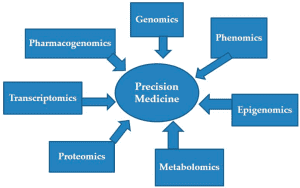
Together, these goals place pharmacogenomics at the center of precision medicine.
Genetic Variation in Pharmacogenes
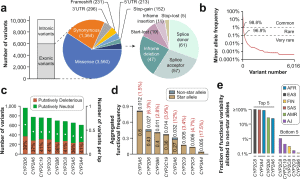
A fundamental principle in pharmacogenomics is that genetic variation in pharmacogenes is remarkably common.
Pharmacogenes include genes involved in:
- Drug metabolism enzymes
- Drug transport proteins
- Drug targets and receptors
- Immune-response genes
- Regulatory genes influencing pharmacological pathways
Polymorphisms within these genes may alter enzyme activity, receptor sensitivity, transcriptional regulation, or immune recognition.
Cytochrome P450 Variability
Perhaps the most extensively studied pharmacogenes belong to the cytochrome P450 family, particularly:
- CYP2D6
- CYP2C9
- CYP2C19
- CYP3A5
Variants in these genes define phenotypes such as:
- Poor metabolizers
- Intermediate metabolizers
- Normal metabolizers
- Ultra-rapid metabolizers
These phenotypes can dramatically influence drug exposure.
For example:
- Poor metabolizers may accumulate toxic drug levels.
- Ultra-rapid metabolizers may eliminate drugs too quickly for efficacy.
- Prodrugs may fail in poor metabolizers but cause toxicity in ultra-rapid metabolizers.
This metabolic diversity explains why identical doses may produce radically different clinical outcomes.
Pharmacokinetics and Pharmacodynamics in Pharmacogenomics
Pharmacogenomic effects generally operate through two broad mechanisms:
Pharmacokinetic Gene–Drug Interactions
Pharmacokinetic interactions involve how the body processes a drug.
Genetic variation may affect:
- Absorption efficiency
- Distribution patterns
- Metabolic activation or inactivation
- Elimination pathways
These mechanisms determine systemic drug exposure.
Warfarin as a Classic Example
Warfarin represents one of the most established examples of genotype-guided dosing.
Variants in:
- CYP2C9
- VKORC1
strongly influence dose requirements.
Reduced-function alleles decrease metabolism or increase drug sensitivity, requiring lower doses to avoid hemorrhagic complications.
This model demonstrated early that pharmacogenomic dosing can improve both safety and efficacy.
Pharmacodynamic Gene–Drug Interactions
Pharmacodynamic interactions influence what the drug does to the body.
These involve genetic variation in:
- Drug receptors
- Signal transduction proteins
- Immune-response pathways
- Downstream molecular targets
Unlike pharmacokinetic effects, pharmacodynamic variability often determines treatment sensitivity or resistance.
Examples include:
- Clopidogrel response variability
- Targeted oncology therapies
- Immune-mediated adverse reactions
Understanding these mechanisms is crucial for precision therapeutics.
Pharmacogenomics and Drug Safety
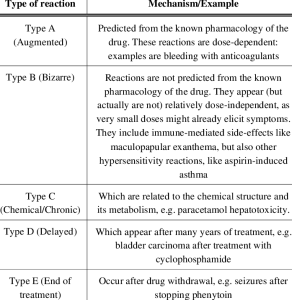
Drug safety represents one of the strongest and most clinically mature applications of pharmacogenomics.
Type A Adverse Drug Reactions
Type A adverse reactions are dose-dependent toxicities linked to exaggerated pharmacological effects.
Examples include:
- Thiopurine toxicity in TPMT or NUDT15 deficiency
- Fluoropyrimidine toxicity with DPYD variants
- Irinotecan toxicity linked to UGT1A1 polymorphisms
In each case, reduced enzymatic activity leads to excessive drug exposure and severe toxicity.
Genotype-guided dose reduction can prevent these complications.
Type B Adverse Drug Reactions
Type B reactions are often immune-mediated and can be severe or fatal.
Here, HLA pharmacogenomics has revolutionized risk prediction.
Important examples include:
Abacavir and HLA-B*57:01
Abacavir hypersensitivity is one of the most successful translational examples in pharmacogenomics.
Screening for HLA-B*57:01 before therapy has nearly eliminated this serious reaction.
It remains a landmark example of pharmacogenomic implementation.
Carbamazepine Hypersensitivity
Certain HLA alleles strongly predict severe cutaneous reactions including:
- Stevens–Johnson syndrome
- Toxic epidermal necrolysis
Genetic testing now guides safer prescribing.
These examples illustrate how genomics can prevent catastrophic toxicity before exposure occurs.
Pharmacogenomics and Drug Efficacy
While toxicity prevention has driven much of clinical implementation, improving drug efficacy is equally important.
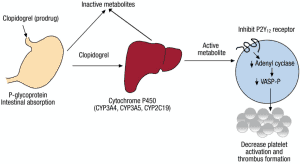
Clopidogrel and CYP2C19
Clopidogrel is a prodrug requiring activation by CYP2C19.
Loss-of-function variants reduce formation of the active metabolite, increasing thrombotic risk.
Genotyping can identify patients likely to benefit from alternative antiplatelet therapies.
This represents a major advance in precision cardiovascular medicine.
Codeine and CYP2D6
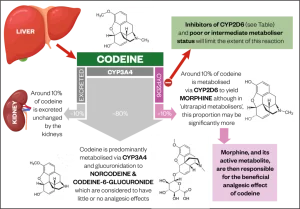
Codeine illustrates both efficacy and toxicity implications.
Because conversion to morphine depends on CYP2D6:
- Poor metabolizers may receive little analgesic benefit.
- Ultra-rapid metabolizers may face opioid toxicity.
This example highlights how the same gene can influence both therapeutic failure and safety risk.
Pharmacogenomics in Oncology
Cancer medicine has become a major driver of pharmacogenomics.
Germline Pharmacogenomics in Cancer Therapy
Inherited variants affect metabolism of anticancer drugs and toxicity risk.
Examples include:
- TPMT-guided thiopurine dosing
- DPYD-guided fluoropyrimidine therapy
- UGT1A1-guided irinotecan use
These biomarkers increasingly inform oncology treatment protocols.
Somatic Genomics and Targeted Therapies
Tumor genomic profiling has enabled development of therapies targeting driver mutations.
Examples include:
- BRAF inhibitors
- ALK inhibitors
- EGFR-targeted therapies
- BCR-ABL tyrosine kinase inhibitors
This integration of pharmacogenomics with precision oncology has transformed cancer treatment.
Implementation of Pharmacogenomics in Clinical Practice
Despite decades of research, clinical implementation has progressed slowly.
Several barriers remain:
Challenges
Limited Clinical Integration
Many healthcare systems lack:
- Routine pharmacogenomic testing
- Electronic decision-support systems
- Clinician training
- Standardized prescribing workflows
These limitations impede widespread adoption.
Cost and Reimbursement Issues
Although evidence for cost-effectiveness is growing, reimbursement remains inconsistent.
However, decreasing sequencing costs and panel-based testing are improving feasibility.
Conclusion
Pharmacogenomics is reshaping modern medicine by revealing how genetic variation influences drug efficacy, toxicity, and individualized dose requirements. Moving beyond the conventional trial-and-error model of prescribing, this field supports a precision medicine approach in which therapies can be tailored to each patient’s unique genomic profile. From optimizing warfarin dosing and preventing severe adverse drug reactions to improving responses to oncology treatments and guiding drug discovery, pharmacogenomics is demonstrating enormous clinical and translational value.
Advances in genomic technologies, large-scale biobanks, rare variant analysis, polygenic risk models, and artificial intelligence are further expanding the potential of pharmacogenomics to improve therapeutic outcomes. At the same time, challenges related to clinical implementation, cost-effectiveness, regulatory harmonization, and population diversity must continue to be addressed to ensure equitable and widespread adoption.
As research continues to mature, pharmacogenomics is positioned not only to enhance drug safety and efficacy but also to transform the future of personalized healthcare. By integrating genomic insights into routine clinical practice, pharmacogenomics brings medicine closer to a predictive, preventive, and truly individualized therapeutic model.