
How Genetics Is Transforming Precision Medicine

Introduction to Pharmacogenetics in Modern Medicine
Pharmacogenetics is an evolving biomedical field at the intersection of genetics, molecular pharmacology, and personalized medicine. It focuses on how inherited genetic variation influences individual drug response, including differences in efficacy, metabolism, toxicity, and adverse drug reactions.
One of the major challenges in clinical therapeutics is interindividual variability in treatment outcomes. While some patients respond optimally to a medication, others may show reduced efficacy, therapeutic failure, or severe toxicity. These variations are influenced by multiple factors such as age, sex, ethnicity, organ function, coexisting diseases, and drug-drug interactions. However, growing evidence confirms that genetic polymorphisms are often major determinants of this variability.
Pharmacogenetics aims to use a patient’s genetic profile to optimize drug selection and dosage, moving beyond traditional trial-and-error prescribing toward precision-guided therapy. This approach has the potential to improve treatment efficacy, reduce adverse drug reactions, and support more individualized clinical decision-making.
Historical Foundations of Pharmacogenetics
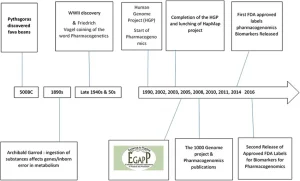
Although often considered a modern discipline, pharmacogenetics was established in the 1950s through landmark discoveries linking inherited traits to abnormal drug responses.
Early examples that defined the field included:
- Prolonged paralysis following succinylcholine due to butyrylcholinesterase deficiency
- Primaquine-induced hemolytic anemia associated with glucose-6-phosphate dehydrogenase (G6PD) deficiency
- Isoniazid toxicity linked to genetic variation in N-acetyltransferase enzymes
These observations provided the first evidence that inherited enzymatic differences could alter drug metabolism and toxicity risk.
With the rise of molecular biology and genome analysis, pharmacogenetics has evolved from studying isolated traits into a broader genomics-driven discipline, often referred to as pharmacogenomics. This transition has expanded the field from single-gene associations toward multigene and genome-wide approaches to drug response prediction.
Genetic Basis of Variable Drug Response
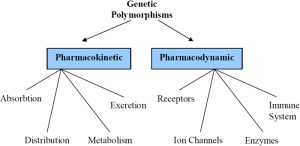
Drug response variability is largely influenced through two major pharmacological mechanisms:
Pharmacokinetics (PK)
Pharmacokinetics describes what the body does to a drug, including:
- Absorption
- Distribution
- Metabolism
- Elimination
Genetic variation in drug-metabolizing enzymes or transport proteins can alter drug concentrations, influencing both efficacy and toxicity.
Pharmacodynamics (PD)
Pharmacodynamics describes what the drug does to the body, including interactions with:
- Drug receptors
- Ion channels
- Enzymes
- Signal transduction pathways
Genetic polymorphisms affecting these targets can modify therapeutic response or adverse event susceptibility.
Together, PK and PD genetic variability form the molecular foundation of pharmacogenetic medicine.
Genetic Determinants in Pharmacogenetics
Numerous genes contribute to variable drug response, but some of the most studied include:
Drug-Metabolizing Enzymes
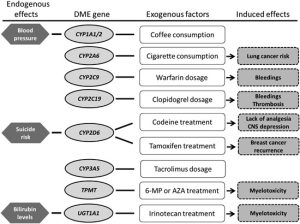
Polymorphisms in cytochrome P450 enzymes play major roles in individualized drug metabolism, especially:
- CYP2D6
- CYP2C19
- CYP2C9
- TPMT
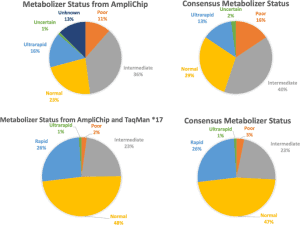
These genes influence whether patients are classified as:
- Poor metabolizers
- Intermediate metabolizers
- Extensive metabolizers
- Ultra-rapid metabolizers
This classification can dramatically affect drug exposure and clinical outcomes.
Drug Transporters
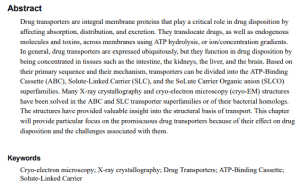
Transport proteins also influence drug disposition. Important pharmacogenetic transporters include:
- P-glycoprotein (ABCB1)
- Organic anion transporters
- Organic cation transporters
Variants in transporter genes can alter tissue distribution, bioavailability, and drug resistance.
Drug Targets and Signaling Pathways
Genetic variability in receptors and downstream signaling proteins can affect pharmacodynamic response.
Examples include polymorphisms involving:
- Beta-adrenergic receptors
- G-protein coupled receptors
- Ion channel genes
- Neurotransmitter receptors
Because many therapies act through complex signaling cascades, multigenic models are increasingly important for predicting treatment outcomes.
Clinical Applications of Pharmacogenetics
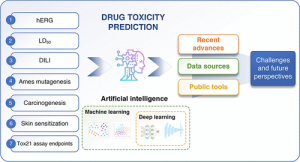
Predicting Drug Toxicity Risk
One of the most valuable applications of pharmacogenetics is identifying patients at elevated risk for adverse drug reactions.
Genetic screening can help predict:
- Drug-induced hepatotoxicity
- Myelosuppression
- Cardiotoxicity
- Neurotoxicity
- Idiosyncratic adverse reactions
A well-known example is TPMT genotyping before thiopurine treatment, which helps prevent life-threatening hematologic toxicity.
Pharmacogenetics is also being investigated for predicting rare but serious toxicities such as:
- Drug-induced long QT syndrome
- Torsades de Pointes
- Rhabdomyolysis
- Agranulocytosis
Although these applications remain challenging, they represent major future opportunities in precision safety medicine.
Pharmacogenetics and Personalized Drug Selection
Another major goal of pharmacogenetics is predicting which patients are most likely to benefit from a specific therapy.
Potential advantages include:
- Faster identification of effective treatment
- Reduced trial-and-error prescribing
- Improved disease control
- Lower healthcare costs
- Reduced exposure to ineffective drugs
This approach is particularly relevant in diseases often managed through empirical drug selection, including:
- Hypertension
- Depression
- Diabetes
- Schizophrenia
- Cardiac arrhythmias
In these settings, genotype-guided prescribing could dramatically improve therapeutic efficiency.
Current Status of Pharmacogenetic Testing
Several pharmacogenetic tests are already used clinically.
Examples include testing for:
TPMT Genotyping
Used before thiopurine therapy to reduce toxicity risk.
CYP2D6 and CYP2C19 Testing
Applied in selected cases involving:
- Antidepressants
- Antipsychotics
- Opioids
- Proton pump inhibitors
- Cardiovascular drugs
These tests represent early examples of clinically implemented precision pharmacotherapy.
However, for many drugs, predictive value remains insufficient for routine implementation, highlighting the need for additional validation.
Multigene and Genomic Approaches in Pharmacogenetics
Single-gene models often fail to capture the complexity of drug response.
Current research increasingly favors:
Multiple Candidate Gene Models
These models integrate polymorphisms across multiple pathways involved in:
- Drug metabolism
- Drug transport
- Receptor signaling
- Disease biology
This approach may significantly improve predictive accuracy.
Genome-Wide and SNP-Based Approaches
Emerging pharmacogenomic strategies use:
- Genome-wide association studies (GWAS)
- Single nucleotide polymorphism (SNP) profiling
- Haplotype mapping
- Microarray technologies
These tools support large-scale identification of genetic signatures linked to drug response.
As sequencing becomes faster and more affordable, genome-based prescribing is expected to become increasingly feasible.
Future of Pharmacogenetics in Precision Medicine
The future of pharmacogenetics is moving toward fully individualized therapy guided by integrated molecular data.
Emerging trends include:
- AI-assisted pharmacogenetic interpretation
- Genomic decision-support platforms
- Multi-omics approaches combining genomics and transcriptomics
- Pharmacogenetic-guided clinical trials
- Precision dosing algorithms
These innovations are expected to transform pharmacogenetics from a research field into routine clinical practice.
Challenges to Clinical Implementation
Despite rapid progress, several barriers remain before widespread adoption.
Key challenges include:
- Need for large-scale validation studies
- Limited predictive power for many markers
- Ethical and privacy concerns surrounding genetic data
- Regulatory considerations for clinical use
- Cost-effectiveness and reimbursement issues
Addressing these challenges will be critical for translating pharmacogenetic discoveries into everyday medicine.
Conclusion
Pharmacogenetics is reshaping the future of drug therapy by linking genetic variation to individualized treatment response. Through analysis of polymorphisms in drug-metabolizing enzymes, transport proteins, receptors, and signaling pathways, pharmacogenetics offers powerful tools for improving efficacy while minimizing toxicity.
Although many applications remain under development, evidence increasingly supports the integration of pharmacogenetics into precision medicine. As genomic technologies continue to advance, genotype-guided therapy is expected to become a foundational component of next-generation personalized healthcare.