

1. Introduction
Although the global incidence of Human Immunodeficiency Virus (HIV) infection among women has been steadily increasing, women have historically been underrepresented in clinical trials evaluating antiretroviral therapies and their associated toxicities. This imbalance has had a direct impact on the development of clinical knowledge, as most safety and efficacy data for antiretroviral drugs have been derived primarily from studies conducted in male-dominated populations.
Early analyses of large multicenter clinical trials revealed that women represented only a very small fraction of enrolled participants. For example, among more than 11,000 individuals enrolled in AIDS Clinical Trials Group (ACTG) studies between 1987 and 1990, only 6.7% were women. Even after policy changes in the mid-1990s aimed at improving gender representation in clinical research, female participation increased only gradually. By the late 1990s, women accounted for approximately 16–20% of ACTG participants still below their proportion in the overall HIV/AIDS population in the United States, where women represent approximately 25% of reported AIDS cases.
To address this gap, several large observational cohorts focusing exclusively or primarily on women were established, including:
- Women’s Interagency HIV Study (WIHS)
- HIV Epidemiology Research Study (HERS)
- Women and Infants Transmission Study (WITS)
These studies have provided crucial insights into sex-specific aspects of HIV infection, including differences in disease progression, immunological response, drug tolerability, and adverse event profiles.
Growing evidence from these cohorts and clinical trials suggests that biological sex significantly influences both the pharmacological response and toxicity profile of antiretroviral drugs. This includes variability in the incidence, severity, and clinical presentation of adverse reactions across major antiretroviral drug classes.
This review provides an in-depth analysis of sex-based differences in adverse drug reactions associated with antiretroviral therapy, focusing on nucleoside reverse transcriptase inhibitors (NRTIs), non-nucleoside reverse transcriptase inhibitors (NNRTIs), and protease inhibitors (PIs), as well as potential biological mechanisms underlying these differences.
2. Sex Differences in Toxicity of Nucleoside Reverse Transcriptase Inhibitors (NRTIs)
NRTIs were the first class of antiretroviral agents introduced into clinical practice and remain a foundational component of highly active antiretroviral therapy (HAART). Despite their efficacy, they are associated with a broad spectrum of adverse effects, many of which are linked to mitochondrial dysfunction.
2.1 Major Adverse Effects
Common NRTI-associated toxicities include:
- Myelosuppression
- Gastrointestinal intolerance (nausea, vomiting, diarrhea)
- Peripheral neuropathy
- Myopathy
- Pancreatitis
- Lactic acidosis
- Hepatic steatosis
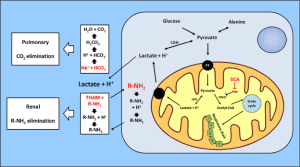
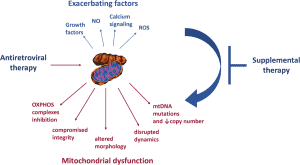
These toxicities are largely attributed to inhibition of mitochondrial DNA polymerase-γ, leading to impaired mitochondrial replication and energy metabolism.
2.2 Evidence of Sex-Based Differences in NRTI Toxicity
Clinical evidence suggests that women may be more susceptible to certain NRTI-related adverse effects compared with men.
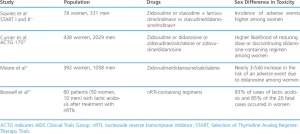
ACTG 175 Trial Findings
In a large comparative study evaluating zidovudine, didanosine, and combination regimens:
- Women were significantly more likely to discontinue or reduce didanosine due to toxicity
- Combination regimens containing didanosine were less well tolerated in female patients
Large Cohort Study (n = 1450 patients)
A subsequent analysis demonstrated:
- A nearly threefold higher risk of didanosine-related adverse events in women compared with men (RR ≈ 2.7; statistically significant)
2.3 Lactic Acidosis and Severe Mitochondrial Toxicity
Lactic acidosis represents one of the most severe manifestations of NRTI-induced mitochondrial toxicity, with reported mortality rates reaching up to 80% in severe cases.
Although direct sex-stratified clinical trials are limited, pharmacovigilance data from regulatory agencies suggest a strong female predominance:
- Approximately 83% of reported lactic acidosis cases occurred in women
- Around 85% of fatal cases were female patients
- Associated complications included:
- Hepatic steatosis (fatty liver disease)
- Pancreatitis
- Severe metabolic acidosis
These observations strongly suggest a sex-related vulnerability to mitochondrial toxicity syndromes in women, although the biological basis remains under investigation.
3. Sex Differences in Adverse Reactions to NNRTIs
Non-nucleoside reverse transcriptase inhibitors (NNRTIs) are widely used in HAART regimens, particularly when protease inhibitor-sparing strategies are desired. Among this class, nevirapine is the most clinically relevant drug in terms of sex-specific toxicity.
3.1 General Adverse Effects of NNRTIs
NNRTIs are commonly associated with:
- Cutaneous hypersensitivity reactions (rash)
- Hepatotoxicity (ranging from mild enzyme elevation to severe liver injury)
3.2 Nevirapine-Associated Cutaneous Toxicity
Multiple studies consistently demonstrate that women are at significantly higher risk of nevirapine-induced rash.

Clinical Findings:
- Higher incidence of severe rash in women compared with men
- Increased risk of drug discontinuation due to skin toxicity
- Higher probability of progression to severe dermatologic syndromes (e.g., Stevens–Johnson syndrome)
Across studies:
- Women exhibited up to 7–12 times higher risk of severe rash
- In some cohorts, more than 60% of female patients experienced cutaneous reactions, compared with approximately 25% in men
3.3 Nevirapine-Induced Hepatotoxicity
Hepatic toxicity is another critical adverse effect associated with NNRTIs.
Clinical Evidence:
- Higher rates of severe liver enzyme elevation in women receiving nevirapine-containing regimens
- Female patients show approximately twofold higher risk of grade 4 hepatotoxicity in some trials
- Fatal liver failure cases have been predominantly reported in women
These findings indicate a clear sex-related disparity in NNRTI-related hepatic safety profiles, particularly with nevirapine.
4. Sex Differences in Adverse Reactions to Protease Inhibitors (PIs)
Protease inhibitors have dramatically improved HIV treatment outcomes but are associated with significant metabolic and gastrointestinal toxicity.
4.1 General Toxicity Profile
Common PI-associated adverse effects include:
- Gastrointestinal intolerance (nausea, vomiting, diarrhea)
- Lipodystrophy syndrome
- Dyslipidemia (hypercholesterolemia, hypertriglyceridemia)
- Insulin resistance
- Cardiometabolic complications
4.2 Gastrointestinal and Neurological Toxicity
Studies evaluating ritonavir-containing regimens show consistent sex differences:
- Women experience higher rates of GI intolerance (nausea, vomiting)
- Men may experience higher rates of diarrhea in some cohorts
- Overall ritonavir intolerance is significantly higher in women (up to 66% vs 27% in men)
These differences often lead to:
- Early discontinuation of therapy in women
- Reduced adherence to treatment regimens
4.3 Lipodystrophy and Body Fat Redistribution
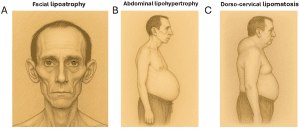
One of the most clinically important long-term complications of HAART is lipodystrophy syndrome, which includes:
- Peripheral lipoatrophy (fat loss in limbs and face)
- Central adiposity (abdominal fat accumulation)
Sex-Specific Patterns:
- Women are more likely to develop central fat accumulation (breast and abdominal fat gain)
- Men more commonly present with peripheral fat loss (limbs and buttocks)
Large observational studies have shown:
- Morphological changes in up to one-third of treated patients
- A significantly higher risk in women (odds ratio ≈ 2.0)
4.4 Metabolic and Cardiovascular Effects
HAART-associated metabolic disturbances include:
- Hypertriglyceridemia
- Hypercholesterolemia
- Insulin resistance
- Type 2 diabetes mellitus
Sex-Related Differences:
Women tend to experience:
- Greater increases in triglycerides and LDL cholesterol
- Higher insulin levels after therapy
- More pronounced leptin elevation
Men may show:
- Greater reduction in endothelial activation markers ( cE-selectin)
These findings suggest that HAART may erode the natural cardioprotective lipid profile typically observed in premenopausal women, potentially increasing cardiovascular risk over time.
4.5 Hypertension Risk
Emerging data from large cohorts suggest:
- Increased incidence of hypertension in women receiving long-term HAART
- Elevated risk becomes more evident after prolonged treatment (>2 years)
- Combined metabolic effects may contribute to higher long-term cardiovascular disease burden in women
5. Mechanisms Underlying Sex Differences in Antiretroviral Toxicity
The biological basis of sex differences in drug toxicity is multifactorial and remains incompletely understood.
5.1 Pharmacokinetic Factors
- Differences in body weight and fat composition
- Variations in drug distribution volumes
- Differences in hepatic metabolism and clearance
5.2 Hormonal Influences
Sex hormones may affect:
- Drug-metabolizing enzyme activity
- Mitochondrial function
- Immune response modulation
5.3 Genetic and Molecular Differences
- Variability in cytochrome P450 enzyme expression
- Differences in mitochondrial DNA susceptibility
- Sex-specific regulation of drug transporters
6. Conclusion
Increasing clinical evidence indicates that sex is a significant determinant of adverse reactions to antiretroviral drugs. Women appear to experience:
- Higher susceptibility to NRTI-induced mitochondrial toxicity
- Increased risk of NNRTI-associated rash and hepatotoxicity
- Greater intolerance to certain protease inhibitors
- More pronounced metabolic complications during long-term therapy
However, the precise biological mechanisms underlying these differences remain incompletely defined and require further investigation.
Future research priorities include:
- Improved representation of women in clinical trials
- Sex-stratified pharmacokinetic and pharmacodynamic studies
- Mechanistic studies on mitochondrial and hormonal influences
- Development of sex-specific dosing strategies
Ultimately, a better understanding of sex-based variability in antiretroviral toxicity will support the development of more personalized, safer, and more effective HIV treatment strategies for both women and men.