
Epidemiology of HIV in Adolescents and Young Adults
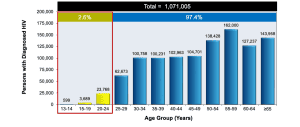
Adolescents and young adults (AYA), typically defined as individuals aged 13 to 24 years, represent a critical population in the epidemiology of human immunodeficiency virus (HIV) infection. In the United States alone, approximately 68,000 individuals within this age group are living with HIV. More importantly, epidemiological trends indicate that the highest incidence of new HIV diagnoses now occurs among individuals aged 13 to 29 years, highlighting a significant public health concern.
Regional data further emphasize this trend. For example, in Chicago, surveillance data collected between 2003 and 2008 revealed a dramatic increase in HIV diagnoses—up to 95% among adolescents aged 13–19 years and 28% among young adults aged 20–29 years while infection rates declined in older populations. These findings underscore a shifting burden of disease toward younger populations and the urgent need for age-specific clinical strategies.
Challenges of Managing HIV in Adult-Oriented Clinical Settings
Despite the growing number of HIV-infected AYA, limited data exist regarding their clinical outcomes in adult-oriented healthcare settings. Most prior research has focused on pediatric or adolescent-specific clinics, making it difficult to generalize findings to adult HIV care environments.
Adult HIV clinics differ significantly in structure, resources, and patient management approaches. They are typically designed to address the needs of older patients and may lack targeted interventions for younger individuals. As a result, AYA transitioning into or receiving care within these settings may face unique challenges that negatively impact treatment outcomes.
Study Design and Clinical Population
To address this knowledge gap, a retrospective cohort study was conducted at a university-affiliated HIV clinic. The study compared clinical outcomes between two groups:
- Adolescents and young adults aged 17–24 years
- Adult patients aged 25–40 years
All participants were receiving or initiating highly active antiretroviral therapy (HAART), the standard treatment for HIV infection.
The study population was drawn from a large outpatient HIV clinic providing comprehensive care to over 1,500 patients. Notably, only about 5% of the clinic population consisted of AYA, and no specialized youth-focused programs were available on-site.
Patients were monitored over a period of up to 36 months, with key clinical and virological parameters assessed at multiple time points.
Clinical Outcomes and Virological Response
The primary outcome of the study was the rate of virological suppression, defined as achieving an HIV RNA level below 400 copies/mL within six months of treatment initiation or care entry.
Major Findings:
- Lower virological suppression in AYA:
Only 58.7% of AYA achieved viral suppression at six months compared to 78.3% of adult patients. - Higher rates of viral rebound:
More than half (56.3%) of AYA who initially achieved suppression experienced viral rebound, compared to only 13.2% of adults. - Increased loss to follow-up (LTFU):
AYA had significantly higher disengagement from care (43.5%) compared to adults (10.9%). - Comparable immune recovery:
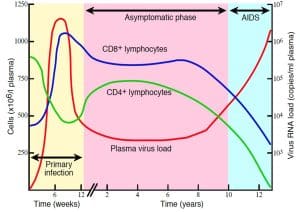
Changes in CD4+ T-cell counts were similar between both groups, suggesting that immunological response may not fully reflect virological control.
These findings clearly indicate that AYA experience less stable and less sustained treatment outcomes compared to older adults.
Influence of Demographic and Social Determinants
The study also identified significant disparities based on ethnicity and demographic factors.
- African American AYA had the lowest probability of viral suppression (44%)
- They also exhibited the highest risk of viral rebound (72%)
These disparities highlight the role of social determinants of health, including access to care, socioeconomic status, and structural inequalities, in shaping HIV outcomes.
Barriers to Optimal HIV Outcomes in AYA
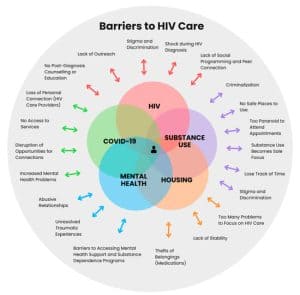
Multiple biological, behavioral, and psychosocial factors contribute to the poorer clinical outcomes observed in AYA populations.
1. Developmental and Behavioral Factors
Adolescence is characterized by ongoing cognitive and emotional development. This can lead to:
- Risk-taking behaviors
- Perceived invulnerability
- Poor adherence to long-term treatment
2. Psychosocial Challenges
AYA often face:
- HIV-related stigma
- Fear of disclosure
- Mental health disorders (e.g., depression, anxiety)
- Substance abuse
3. Socioeconomic Barriers
Key structural challenges include:
- Housing instability
- Lack of health insurance
- Limited social support systems
4. Treatment Adherence Issues
Adherence to antiretroviral therapy remains one of the most critical determinants of HIV outcomes. Studies show that:
- Only 26% to 78% of AYA achieve adequate adherence levels
- Many studies report adherence rates below 50%
Poor adherence is strongly associated with virological failure and disease progression.
Special Populations
The study also examined specific subgroups within the AYA population:
- Pregnant AYA had significantly lower virological suppression rates compared to pregnant adults (55.6% vs. 85.2%)
- Perinatally infected AYA showed similar outcomes to those infected later in life, suggesting that mode of transmission may not be the primary determinant of treatment success
Study Limitations and Considerations
While the study provides valuable insights, several limitations should be considered:
- Retrospective design limits access to adherence data
- Single-center study reduces generalizability
- Limited representation of diverse socioeconomic groups
- Lack of structured transition programs from pediatric to adult care
These factors highlight the need for larger, multicenter prospective studies.
Clinical Implications and Future Directions
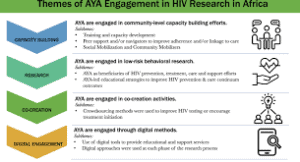
The findings demonstrate that adolescents and young adults represent a high-risk group for suboptimal HIV outcomes in adult care settings. Addressing these challenges requires targeted, multidisciplinary interventions.
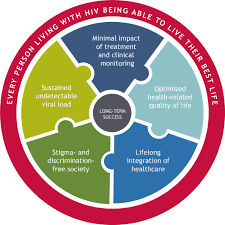
Recommended Strategies:
- Development of youth-friendly HIV care models
- Integration of mental health and psychosocial support services
- Enhanced adherence counseling and patient education
- Improved transition programs from pediatric to adult care
- Implementation of community-based support systems
Future research should focus on identifying modifiable barriers to care and designing personalized interventions to improve long-term outcomes.
Conclusion
Adolescents and young adults living with HIV face significant challenges in achieving optimal clinical outcomes, particularly within adult-oriented healthcare systems. Lower rates of virological suppression, higher rates of treatment failure, and increased loss to follow-up highlight critical gaps in care delivery.
Addressing these issues requires a comprehensive approach that integrates clinical management with behavioral, social, and structural interventions. Improving outcomes in this population is essential not only for individual patient health but also for controlling the broader HIV epidemic.